
Most factories open at 300 pieces per colourway and treat anything smaller as a favour. The reason is usually technical, not commercial: their decoration method has a fixed cost that has to be paid before the first garment exists.
Screen printing charges per colour per screen. Four spot colours on a dark garment means four screens, four passes, and a setup that is paid whether you order 12 shirts or 1,200. Spread over 1,200 pieces the setup disappears into pennies. Spread over 12 it is the largest line on the invoice.
Dye sublimation works differently. The artwork is printed onto transfer paper, then pressed into polyester at around 200 °C. There is no screen, no plate, no cylinder. Ten colours cost the same to set up as two, because the setup is a file and a print head, not a physical screen.
That single difference is why a 12-piece minimum can exist at all. It is not generosity. It is the absence of a fixed cost that other methods cannot avoid.
Twelve pieces is a real order, but it is not the same price per piece as 1,200. Four things move:
Below 12 pieces we quote individually rather than refusing. The extra cost is real: the printer still has to be set up, paper still gets consumed, and the press operator still spends the same hour. We show that as a line item instead of hiding it inside a unit price that quietly assumes 500 pieces.
Two other things genuinely cost more at low volume. Custom-dyed fabric carries a mill minimum that a 12-piece order cannot absorb, so we use stock colours or stock prints. And individually named garments — a roster with 40 different names — are fine inside a 12-piece minimum, but the file handling is per name, not per shirt.
If a factory quotes you a per-piece price without asking your quantity, fabric, print coverage and destination, the number is a guess. The guess usually changes after the deposit.
Ask three questions before you send artwork:
If your first drop is a design test — two colourways, a size run, a real market instead of a spreadsheet — sublimation at 12 pieces per design is the cheapest way to find out whether the shirt sells. Sample in 5 days, first bulk run in 12 working days at up to 200 pieces. If it works, the second order is where the unit cost starts to fall.
That is the trade: you pay a little more per piece at the start, and you do not have to guess your market before you have one.
The full table of what the minimum is per style, and what every quote contains, is on the MOQ and pricing page. The four builds those 12 pieces can be are on the product range.
Per design. Sizes can be mixed inside that design, and names or numbers inside a club roster do not count as separate designs.
Yes, quoted individually. The setup cost does not disappear at 11 pieces, so the unit price is higher — we show it as a line rather than refusing the order.
One new entry every week. RSS if you would rather not check back.
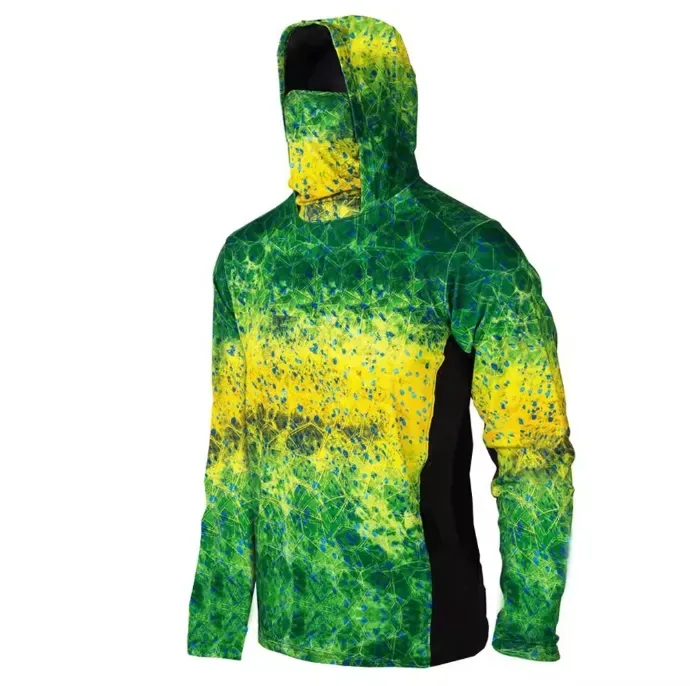
A hooded sun shirt is not a long sleeve shirt with a hood on it. These seven construction points are what separate a shirt that gets worn for eight hours from one that stays in the locker.
Read the note →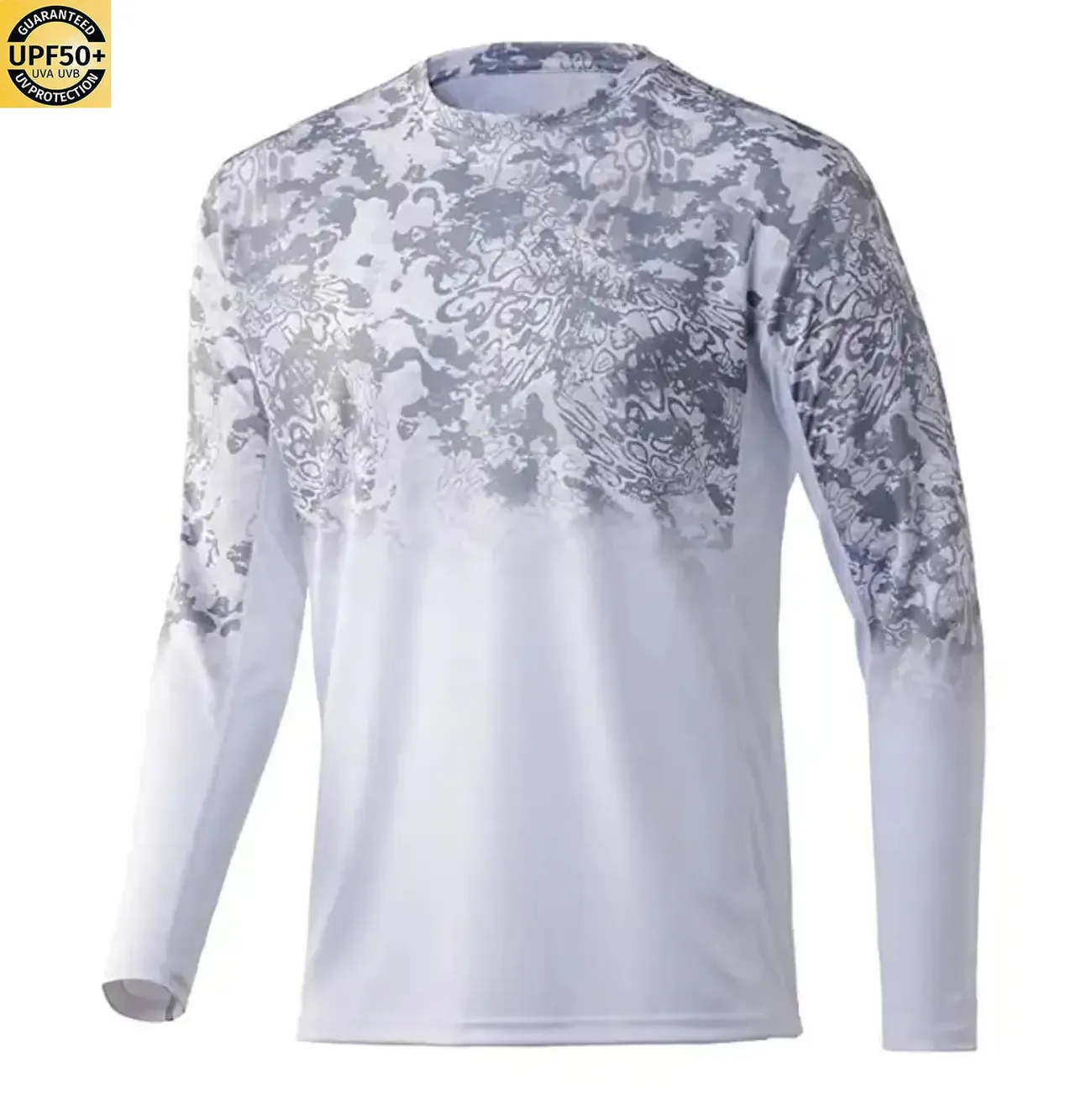
UPF is a ratio, not a feeling. It is measured on fabric, in a lab, under specific conditions — and those conditions are where most claims quietly fall apart. Here is what the number means and what to ask for.
Read the note →Fabric, print coverage, sizes and destination is enough to start.